Share
Culture is tested in emergencies
What separates reliable engineering teams from the rest? At Consider It Done Technologies, we believe culture is built long before a crisis hits — and it shows in how we deliver.

August 31, 2026
read
What separates reliable engineering teams from the rest? At Consider It Done Technologies, we believe culture is built long before a crisis hits — and it shows in how we deliver.
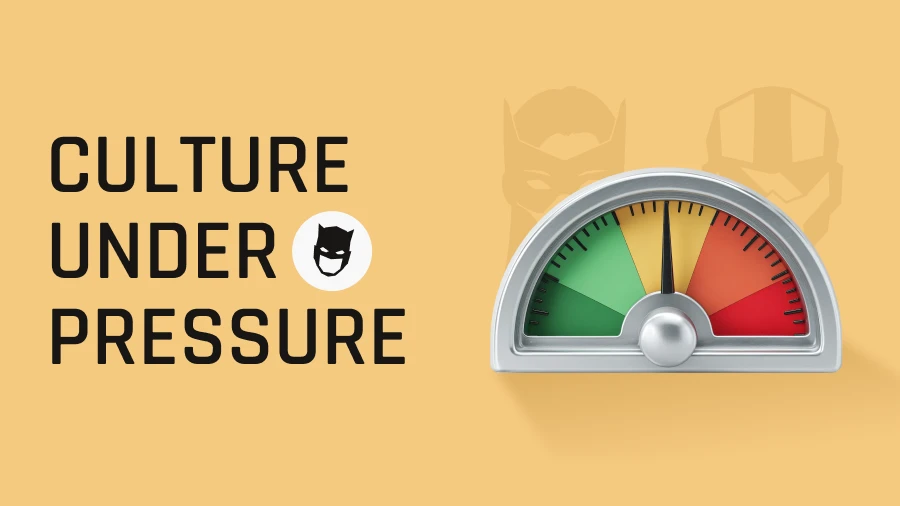
At Consider It Done Technologies, culture lives in the moments when systems fail, timelines collapse, and the pressure is real. A production environment goes down. A client release breaks. Those are the moments that tell you everything about a team.
In calm conditions, almost any team looks functional. Processes work, communication is polite, decisions feel easy. Culture, at that point, is basically invisible — until something breaks.
Production incidents, failed releases, critical client issues — these moments bring out what was already there.
Under pressure, teams either slow down and think clearly, or they escalate emotionally. They either focus on solving the problem, or they start looking for someone to blame. These reactions come from habits that were built long before the emergency ever occurred.
We build complex systems — custom software, agentic AI pipelines, Web3 infrastructure. The surface area for things to go wrong is real, and any team that tells you otherwise is selling you something. By the time pressure hits, people fall back on what they already know. So the real question is — what are you building when things are calm?
Calm means accepting reality and focusing on what to do next. Adding emotional noise to a bad situation makes problem-solving harder, slows the team down, increases defensiveness. Panic spreads fast.
Calm, on the other hand, creates space for clear thinking and working together. And in a remote team working across time zones on live production environments — that space is everything.
Leaders set the tone here more than anyone else. Calm leadership is a practiced discipline. Something you build intentionally, every day.
In emergency situations, discussions can expand very quickly in the wrong direction. Experience has shown us that only two questions consistently help teams move forward:
These questions keep attention on resolution and learning. Questions focused on blame or fault might feel necessary in the moment, but they usually reduce transparency and delay recovery. And when a client is watching, we can't afford that.
Blame creates fear, and fear limits what people share. When people are worried about consequences, they share less detail, surface issues later, and protect themselves instead of protecting the system.
Human error is inevitable when you're building complex software. Right? Teams that accept this design processes that assume mistakes will happen and focus on detecting and correcting them early. The goal is to shift accountability from individuals to systems — especially when you're managing infrastructure that clients depend on around the clock.
This sometimes gets dismissed as a "soft" topic. Look at the actual outcomes. Teams that feel safe speaking openly identify issues faster and correct them earlier. That directly impacts delivery speed, system stability, and long-term trust with clients.
When we're spinning up new nodes, launching a platform feature, or integrating AI agents into a client's development workflow — the teams doing that work need to be able to say "something looks off here" without hesitation. That's the difference between catching something in staging and catching it in production.
Culture gets revealed during an emergency. It gets built in the everyday decisions — how feedback is given, how mistakes are discussed, how leaders react under stress. These patterns determine how teams behave when pressure is unavoidable.
We're at a really exciting stage at CIDT. Launching new products, bringing on new clients, scaling infrastructure. The culture we've built — the habits, the communication patterns, the way we handle pressure — that's what determines how well this culminates into something real and lasting for the people we work with.
That's why we invest in it every single day.

.svg)