Share
Web scraping - simple words about a complex technology
Learn how web scraping turns raw web data into business intelligence. CIDT builds scalable, compliant scrapers for real-world use cases.

August 31, 2026
3 min
read
Learn how web scraping turns raw web data into business intelligence. CIDT builds scalable, compliant scrapers for real-world use cases.
The sheer volume of online data is overwhelming, leaving businesses struggling with scattered, inconsistent, and siloed information. At CIDT, we see this data chaos as an opportunity. We don't just collect data; we engineer precision intelligence. Web scraping is the powerful technology that makes this transformation possible.
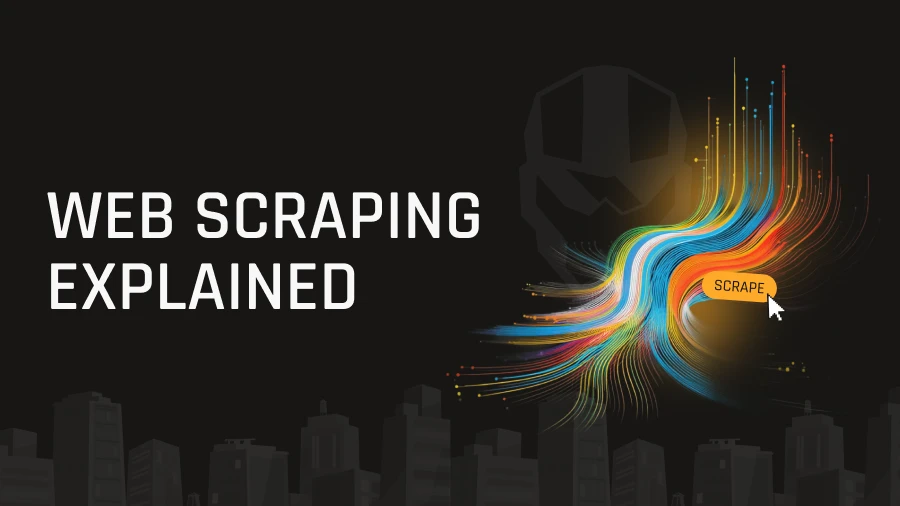
In simple terms, web scraping is the automated, programmatic process of collecting publicly available data from websites. Often referred to in the industry as data extraction or web harvesting, this technology allows a software tool - a "scraper" - to read and interpret a webpage's underlying code, similar to how developers utilize powerful frameworks like Scrapy. Instead of manually copying information from dozens (or hundreds) of pages, our tools automatically extract data and save it in a structured format like Excel, JSON, or in a database.
At its core, a scraper sends requests to web pages, reads the HTML structure, and identifies the pieces of information that matter: like product names, prices, reviews, or specifications.
Therefore, professional scraping goes far beyond simple HTML parsing:
For companies, scraping is about turning raw web information into business intelligence.
Here are a few real-world examples:
One of our recent projects, is a great example of how CIDT transforms raw web information into reliable, structured data solutions.
It gathers data from multiple construction material websites across the U.S., structures it, tests it, and turns it into one unified catalog - a tool that helps navigate the market faster and smarter.
This is the most common and critical question. The short answer: yes, collecting publicly available data is generally legal in the U.S. and most jurisdictions, provided specific rules are followed.
Collecting publicly available information is generally legal, as long as you respect website terms of service and avoid personal or protected data.
Our approach is always transparent and compliant, we scrape responsibly.
There are many ready-to-use tools, but reliability depends on your goal.
Simple data collection can be done with open-source libraries; however, large-scale, stable solutions often require custom-built systems.
That’s where our expertise comes in: we design tailored scrapers that are scalable, tested, and secure: ready for real business use.
Web scraping isn’t just about raw data collection - it’s about engineering actionable intelligence. At CIDT, our value is in treating scraping not as a commodity, but as a custom-built solution, ensuring compliance, stability, and scale. Ready to turn web chaos into a competitive advantage? Speak with a CIDT data strategy expert to explore how a tailored scraping solution can fundamentally improve your market analysis and decision-making.
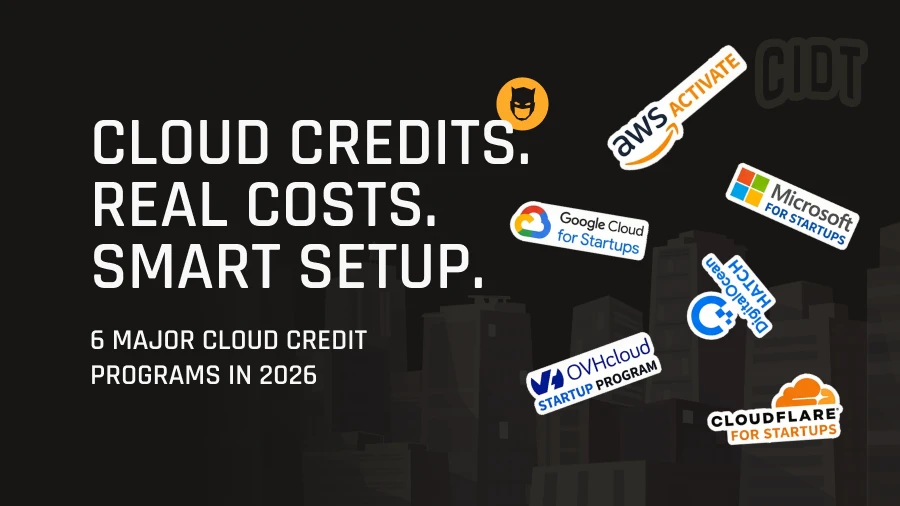
Web3 and fintech startups face infrastructure costs long before revenue — from node operations to real-time data processing and fraud detection. In 2026, over $600K in cloud credits is available to offset these costs, but most teams either apply too early, choose the wrong program, or build architectures that collapse once credits expire.
Blockchain rarely fails the way traditional systems do. The real risks lie elsewhere — in early-stage centralization, validator downtime, protocol upgrades, and infrastructure gaps. Based on insights from CIDT engineers, this article explains where outages actually come from and how to prevent them before they impact your network.

The SEC’s new token taxonomy provides a functional roadmap for founders, classifying crypto assets into five distinct categories from digital commodities to securities. This summary breaks down how to align your token architecture with these new guidelines to ensure compliance and utility from day one.
The stablecoin market hit $300B — and with GENIUS Act signed and BlackRock issuing tokenized funds, it's now core financial infrastructure. This guide breaks down all 8 types of stablecoins: how they work, where they've failed, and what trade-offs matter for builders and product teams.

In this article, we compare how the US, EU, UAE, and offshore regions regulate stablecoins and what that means for issuers. If you plan to launch a stablecoin, your choice of jurisdiction affects compliance, risk, and long-term growth.
Production systems require fundamentally different thinking than testnet. Real users expose reliability gaps, monitoring failures, and process weaknesses that testing never catches. This article shares hard-earned lessons about building systems that survive continuous operational pressure, handle failures gracefully, and maintain security in daily practice.
Modern construction SaaS platforms rarely fail outright. They fail quietly - by letting ambiguity travel through search, documents, and integrations until it becomes expensive to fix. This article offers a clear executive lens for evaluating architecture through risk, control, and exposure.
Old software doesn’t fail overnight - it quietly drains time, accuracy, and operational capacity. This article breaks down the hidden costs CEOs and CFOs often overlook and shows how modernization exposes the true price of legacy systems.

CIDT has been named a Winner of the 2025 TechBehemoths Global Excellence Awards in Blockchain, Custom Software Development, and Mobile App Development. The recognition highlights the company’s operational excellence and impact across U.S. and global tech ecosystems.

Choosing the right blockchain stack defines not just your tech base, but how fast, secure, and scalable your product can become. This guide from CIDT compares Solidity, Rust, Move, and CosmWasm ecosystems in 2025 - showing how each impacts delivery speed, audit readiness, and long-term maintainability.
QA isn’t just about finding bugs - it protects your business from costly risks. Skipping QA can mean lost revenue, churn, and broken trust. This post shows why QA is essential for predictable releases and how it saves time, money, and reputation.

.svg)