
RWA marketplace development: how to build it right – and why most teams don't
Learn what it actually takes to build a production-ready RWA marketplace: investor segmentation, compliance architecture, asset onboarding, payment rails, and secondary market design.
How Web3 & Fintech Startups get cloud credits in 2026
Web3 and fintech startups face infrastructure costs long before revenue — from node operations to real-time data processing and fraud detection. In 2026, over $600K in cloud credits is available to offset these costs, but most teams either apply too early, choose the wrong program, or build architectures that collapse once credits expire.
Staking, mining, airdrops: the SEC finally said what's allowed — here's what it means for your project
The SEC finally drew clear lines around staking, mining, and airdrops. Here's what changed, what conditions apply, and what it means for your project.
Blockchain uptime myths: understanding mainnet resilience and infrastructure challenges
Blockchain rarely fails the way traditional systems do. The real risks lie elsewhere — in early-stage centralization, validator downtime, protocol upgrades, and infrastructure gaps. Based on insights from CIDT engineers, this article explains where outages actually come from and how to prevent them before they impact your network.

What the SEC's new token taxonomy means for crypto founders
The SEC’s new token taxonomy provides a functional roadmap for founders, classifying crypto assets into five distinct categories from digital commodities to securities. This summary breaks down how to align your token architecture with these new guidelines to ensure compliance and utility from day one.
Real estate tokenization platform: architecture, cost & compliance (2026)
Real estate tokenization platforms go far beyond issuing tokens – they require rethinking investor onboarding, compliance, and reporting as a single system.
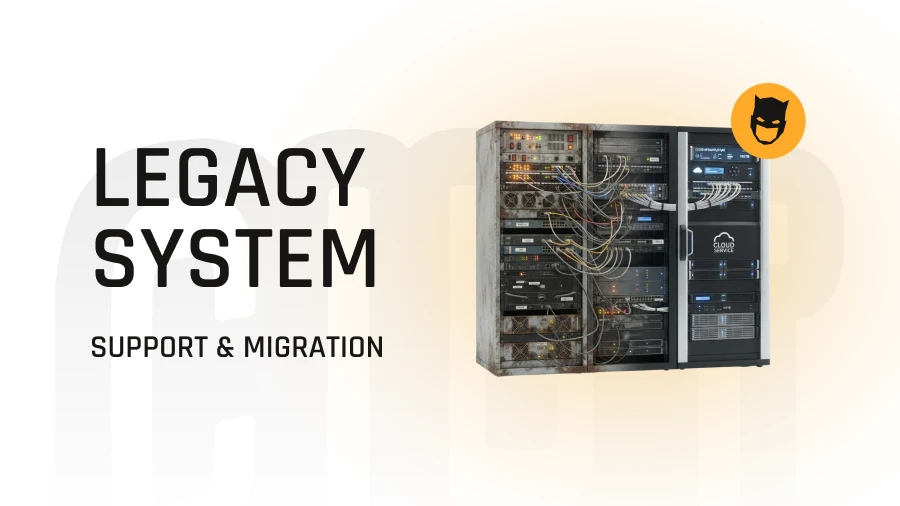
How CIDT rebuilds legacy enterprise systems
Modernizing legacy systems doesn’t mean rewriting everything. This article explains how CIDT rebuilds enterprise software step by step — without downtime, risky migrations, or lost context.
Types of stablecoins
The stablecoin market hit $300B — and with GENIUS Act signed and BlackRock issuing tokenized funds, it's now core financial infrastructure. This guide breaks down all 8 types of stablecoins: how they work, where they've failed, and what trade-offs matter for builders and product teams.

Regulation of stablecoins: US, EU, UAE, and offshore jurisdictions
In this article, we compare how the US, EU, UAE, and offshore regions regulate stablecoins and what that means for issuers. If you plan to launch a stablecoin, your choice of jurisdiction affects compliance, risk, and long-term growth.
Preparing for tech shifts
Most teams feel pressure to act the moment a new technology wave hits. The ones that adapt well don't move faster — they move with more clarity. Here's what that looks like in practice.
Culture is tested in emergencies
Most teams look fine when things are calm. Culture only becomes visible when something breaks. This is about what actually happens under pressure — and what separates teams that recover quickly from those that don't.
Why institutions automate trading
As trading activity scales, manual execution becomes a source of risk rather than control. This article explains why institutions turn to automation to keep execution predictable, auditable, and reliable.
Open source software: legal risks & pitfalls
Open source can save time and budget, but it is rarely risk-free. This article shows what to check in open source licenses and highlights common pitfalls that can create problems at release or during scaling.
Ten years, built by people
This article looks back at how CIDT began with real work, grew through uncertainty, and scaled without losing its culture. Because after a decade, the most important thing we’ve built isn’t technology.
What makes CIDT different after 10 years in consulting
We reflect on what it takes to last in consulting. Why long-term continuity is rare, how trust is built through everyday decisions, and why systems ~ not personalities ~ are what sustain teams, clients, and growth over time.
Lessons you don’t learn on testnet
Production systems require fundamentally different thinking than testnet. Real users expose reliability gaps, monitoring failures, and process weaknesses that testing never catches. This article shares hard-earned lessons about building systems that survive continuous operational pressure, handle failures gracefully, and maintain security in daily practice.
Web scraping - simple words about a complex technology
Learn how web scraping turns raw web data into business intelligence. CIDT builds scalable, compliant scrapers for real-world use cases.
When search slows down
Enterprise search often becomes a hidden bottleneck as catalogs scale. This article explains why performance degrades, how search architecture shapes daily workflows, and what teams need to understand before modernization begins.
How companies decide to modernize their platforms
This article explains when platform modernization becomes a business decision, what leaders assess first, and how cost, risk, and continuity shape those choices.

What is trading automation? A simple explanation
Trading automation explained without hype. This article breaks down what trading automation really means, why manual execution fails at scale, and how teams approach reliability in 24/7 markets.
Modern architecture for enterprise SaaS in construction
Modern construction SaaS platforms rarely fail outright. They fail quietly - by letting ambiguity travel through search, documents, and integrations until it becomes expensive to fix. This article offers a clear executive lens for evaluating architecture through risk, control, and exposure.
The real cost of old software: what legacy platforms are silently costing your company
Old software doesn’t fail overnight - it quietly drains time, accuracy, and operational capacity. This article breaks down the hidden costs CEOs and CFOs often overlook and shows how modernization exposes the true price of legacy systems.

CIDT wins 3 TechBehemoths Global Excellence Awards 2025
CIDT has been named a Winner of the 2025 TechBehemoths Global Excellence Awards in Blockchain, Custom Software Development, and Mobile App Development. The recognition highlights the company’s operational excellence and impact across U.S. and global tech ecosystems.
Why legacy systems fail
Legacy systems slow down teams, block scale, and introduce growing risk. This article explains the real reasons old software fails - using verified examples that show why modernization becomes unavoidable for SaaS teams.
Secure validators with Operator Keys
Operator Keys separate fund control from validator operations, making validation safer and easier for users. They let platforms manage uptime without ever touching user assets.
Top tools for smart contract development
Choosing the right blockchain stack defines not just your tech base, but how fast, secure, and scalable your product can become. This guide from CIDT compares Solidity, Rust, Move, and CosmWasm ecosystems in 2025 - showing how each impacts delivery speed, audit readiness, and long-term maintainability.
Why QA testing in product releases protects your business
QA isn’t just about finding bugs - it protects your business from costly risks. Skipping QA can mean lost revenue, churn, and broken trust. This post shows why QA is essential for predictable releases and how it saves time, money, and reputation.


